
Counseling Program Faculty Publishes Edited Volume on Research-Based Approaches to Supporting Black Students to Facilitate Positive Academic and Career Outcomes
January 16, 2026
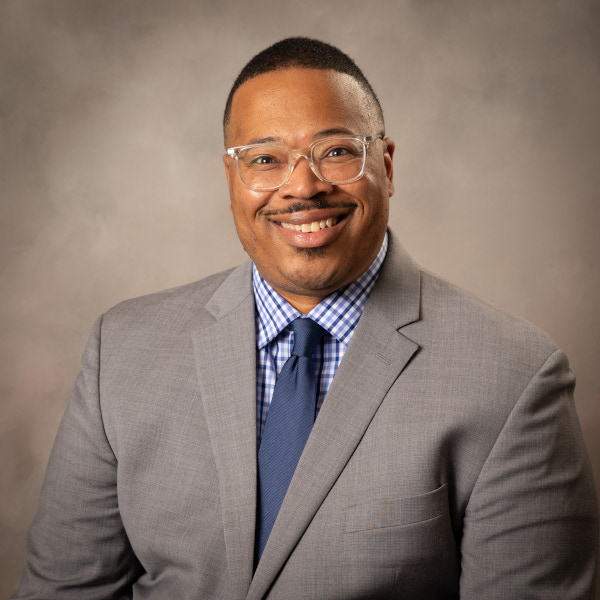
Erik Hines
Photo Provided
Erik Hines, professor in the Counseling Program within the College of Education and Human Development (CEHD) at George Mason University, recently published a book, The American Dream 2.0: Recognizing the Academic Gifts and Talents of Black Students. This book is an edited volume that provides strategies, grounded in evidence-based research, which education professionals can adopt in nurturing the gifts and talents of Black students that will enable them to achieve positive outcomes in the areas of academic success, college readiness, career development, and optimal mental health and wellness. The book serves as an informative resource that will benefit researchers, pre-service and in-service educators, practitioners, and instructors in higher education. Members of the education community have praised the book for its approach that is centered on providing an asset-based lens through which readers can develop a more in-depth understanding of the strengths, capabilities, and lived experience(s) that can enhance school and classroom outcomes for Black students.
A prominent theme throughout the book is the importance of educators using a student-centered framework when working with Black students—one which puts the student at the center of the learning experience. Hines explained, “Educators and practitioners can engage students by incorporating Black students’ culture, lived experiences, strengths, interests, gifts, and talents while affirming them in their teaching and instruction. A student-centered approach involves collaborating with and highlighting the voice of Black students, so they feel empowered and have investment in the learning process.”
The book is comprised of sixteen chapters which address a variety of strategies that can be adopted in supporting Black students and their families. One of these strategies is founded on existing research which demonstrates that culturally responsive teaching practices can improve the mental health and well-being of Black students. Along these lines, a chapter in the book focusing on gifted and talented education highlights the benefits of “creating learning environments that reflect and affirm students’ cultural identities and intellectual traditions, and that create a sense of belonging to aid in recruitment and retention.”
In other discussion, the book emphasizes the vital role that school counselors, teachers, practitioners, and administrators can play in engaging with local community partners such as out of school programs, academic enrichment programs, universities, community mental health centers, afterschool providers, and religious organizations to support Black students and their families. The book also offers recommendations on activities that are designed to help educators and practitioners develop a true understanding of the lived experiences and interests of Black students. The goal of these “getting to know you” activities is to encourage the formation of relationships between education professionals and Black students that are built on trust and authenticity.
Among the book’s chapters is one authored by Hines titled “Pursuing Purpose: Career Development Approaches for Black Students in P–12 Schools.” In this chapter, Hines emphasizes that educators must connect the interests, gifts, and talents of Black students to career options with requisite academic requirements needed for career attainment. Doing so, he says, can help Black students find their purpose or define their life goals through career development.
Hines also co-authored a chapter titled “The American Dream 2.0: Solutions to the Issues Affecting Black Students in Education: A Candid Dialogue with Experts in the Field.” His co-authors include CEHD Dean Ingrid Guerra-López and James L. Moore III, Distinguished Professor of Urban Education at The Ohio State University. In providing an overview of this chapter, Hines stated, “We discussed the most pressing issues impacting Black students in P-12 schools as well as the solutions to address them. More importantly, we discussed how to democratize education in a way that every Black student can succeed in receiving an education that prepares them for postsecondary opportunities.”
Also, Danielle Palmer, assistant professor in the School Psychology Program within CEHD, authored a book chapter titled “#blackgirlmagic #blackboyjoy: Promoting Equitable Education for Black Students Through School Psychology Practices.” Palmer discussed the power of cultural humility, student voice, and reflective practice as tools for fostering belonging and success among Black learners. In addition, Palmer’s chapter advocates for transformative change that ensures Black students are not only included, but celebrated, supported, and empowered to thrive.
When asked to describe some of the major challenges that Black students face in P-12 schools, Hines stated, “Black students tend to be disproportionately disciplined and receive higher levels of suspension and expulsion.” He added that Black students are overrepresented in special education but underrepresented in accelerated or advanced academic programs such as Gifted and Talented Education, Advanced Placement courses, Honors courses, and the International Baccalaureate Programs. Finally, Hines cited the low expectations harbored by some educators which can negatively impact the achievement of Black students. Hines is hopeful that the strategies, recommendations, and solutions contained in his recently published book will provide educators with a roadmap to effectively address these problems.
In his closing comments, Hines discussed his reasons for becoming involved in this book project. He stated, “My research agenda focuses on the postsecondary readiness and career development of Black men and boys across various contexts including P-12, community college, and 4-year college/university, and critically examines how high impact programming shape their educational and career outcomes and experiences. The chapters within this edited volume are aligned with my research interests to understand how to improve the academic outcomes of Black students so they will have access and opportunities to optimal career and postsecondary outcomes.”
The book may be ordered by visiting the publisher website.